On this page
- Why anticoagulants are a special case
- Ingredients with reported interactions
- What to do if you take a blood thinner
- The bottom line
Why anticoagulants are a special case
Blood-thinning medication has a narrow therapeutic window — too little and clotting risk rises, too much and bleeding risk rises. Anything that shifts that balance, even modestly, matters.
Ingredients with reported interactions
- Glucosamine and chondroitin — case reports and some evidence of interaction with warfarin specifically
- Fish oil / omega-3 — can have mild antiplatelet effects
- Ginkgo biloba — may affect platelet function
- Vitamin E at high doses — can have anticoagulant-like effects
- Turmeric/curcumin — some evidence of mild antiplatelet activity at high doses
What to do if you take a blood thinner
- Photograph the full ingredient panel of any supplement you are considering.
- Show it to your pharmacist or prescriber before starting.
- Ask specifically about monitoring, since some interactions affect INR levels rather than causing an obvious symptom.
- Never stop or adjust your blood thinner dose without medical guidance.
The bottom line
This is not a reason to avoid joint supplements automatically. It is a reason to have the conversation with your prescriber before starting, every time.
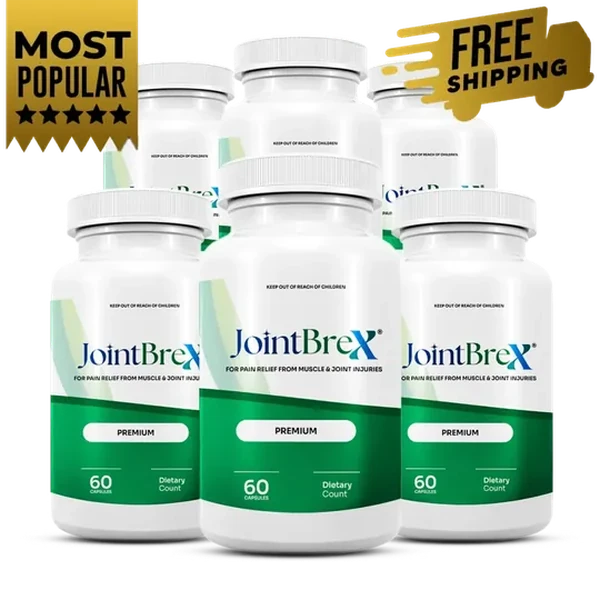
Before you add this to a prescription: glucosamine and chondroitin can interact with blood-thinning medication. If you take warfarin or another anticoagulant, speak to your doctor before using a joint supplement. The glucosamine in JointBrex is shellfish-derived - avoid it if you have a shellfish allergy.
JointBrex — official website pricing
Daily joint support capsules with Glucosamine Sulfate, Chondroitin and Boswellia. The JointBrex official website runs the discount from $49 per bottle with a 60-day money-back guarantee.
See the JointBrex discountDisclaimer: this article is general information, not medical advice. JointBrex is a dietary supplement and is not intended to diagnose, treat, cure or prevent any disease. Individual results vary. For adults aged 18 and over. Talk to your doctor before starting any supplement, particularly if you take blood-thinning medication.